Mold Removal
Targeted removal of visible mold growth with containment and safe disposal, followed by detailed cleaning of affected surfaces.
Serving Grand Rapids, Ohio & surrounding areas
Fast cleanup, professional drying, and clear next steps after leaks, burst pipes, or flooding. We help you stabilize the property, protect materials that can be saved, and document the damage for a smoother repair process.
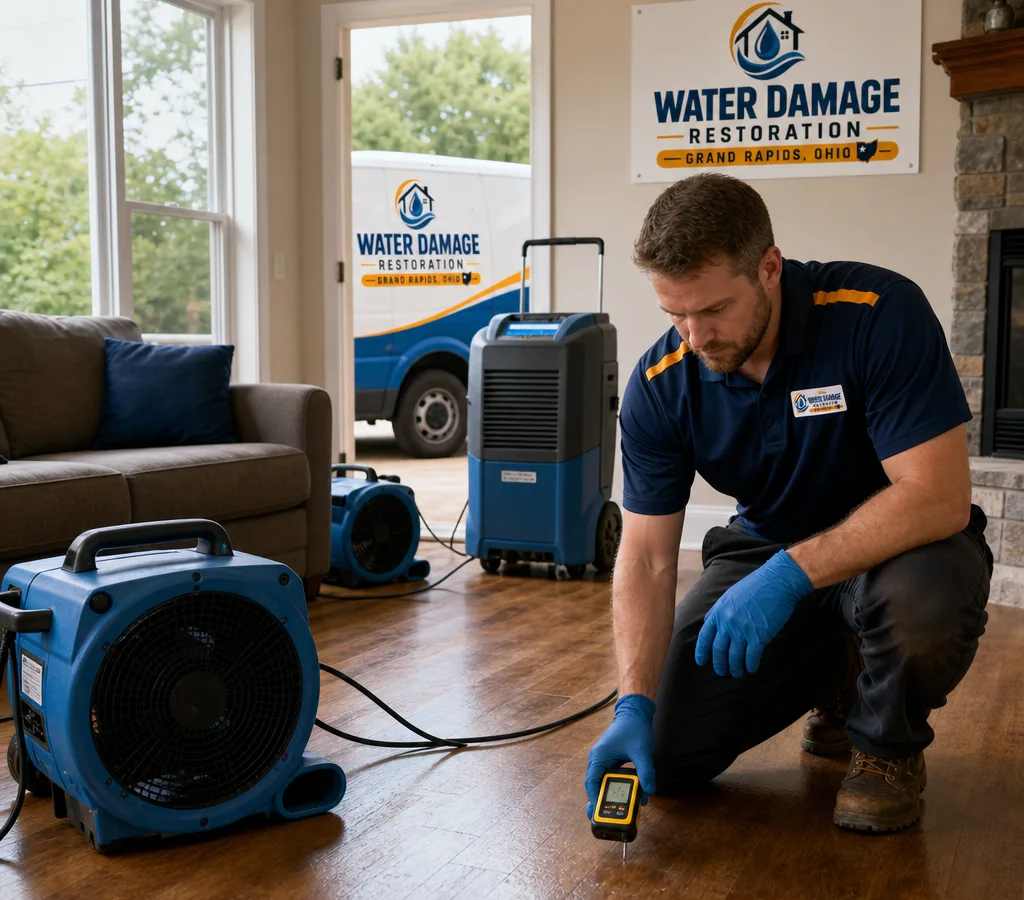
When water gets into floors, drywall, cabinets, or a basement, the clock starts. The first goal of water damage restoration Grand Rapids work is to stop the spread and get materials dry before swelling, warping, and microbial growth take hold.
Water Damage Restoration Grand Rapids handles the core steps of a proper response: water extraction, controlled drying with dehumidification, moisture mapping to confirm progress, selective removal of unsalvageable materials, and a plan for repairs. We focus on the areas that usually hide moisture in real homes, including wall cavities near baseboards, under floating floors, behind vanity toe-kicks, and inside basement corners.
If you are dealing with a supply line break, an overflowing fixture, a failed water heater, or stormwater intrusion, we will walk you through what should happen next and what can wait. You will get a written scope and a straightforward sequence of work so you know what is being done and why.
Specialized help for mold, fire, and broader property restoration needs.
Targeted removal of visible mold growth with containment and safe disposal, followed by detailed cleaning of affected surfaces.
A full remediation approach that addresses the source of moisture, contains the work area, and verifies cleanup so the problem does not keep returning.
Help coordinating cleanup and repairs after property damage, including documentation, scopes of work, and project communication from start to finish.
Cleanup and repair support after a fire, including soot and odor control planning, selective demolition, and reconstruction coordination.
Measured drying, careful protection, and clear communication from stabilization through repairs.
Request Emergency ServiceWe prioritize stopping active water, extracting standing water, and setting drying equipment quickly to reduce secondary damage.
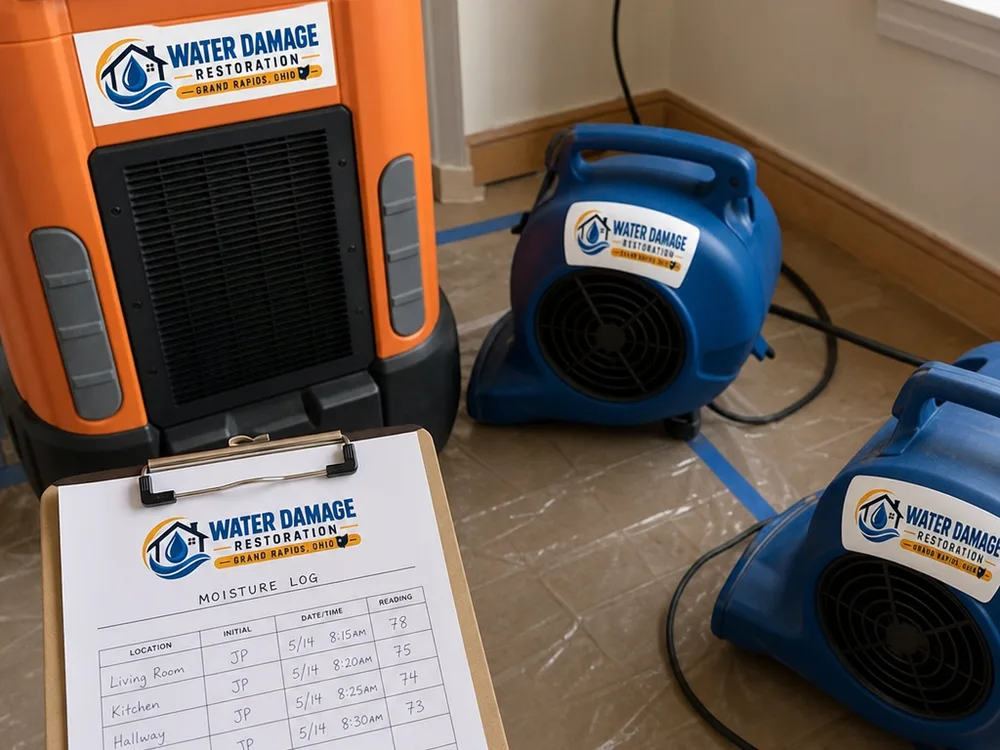
We track affected areas with meters and notes so the drying plan is based on measurements, not guesses.
Proper airflow and dehumidification protect materials that can be saved while reducing the chance of warping and cracking.
Floor and doorway protection, careful material handling, and a jobsite that stays organized while equipment runs.
If demolition is needed, we explain what gets removed, what stays, and what the rebuild sequence looks like.
We provide straightforward photos and scope details that are useful for claim conversations and approvals.
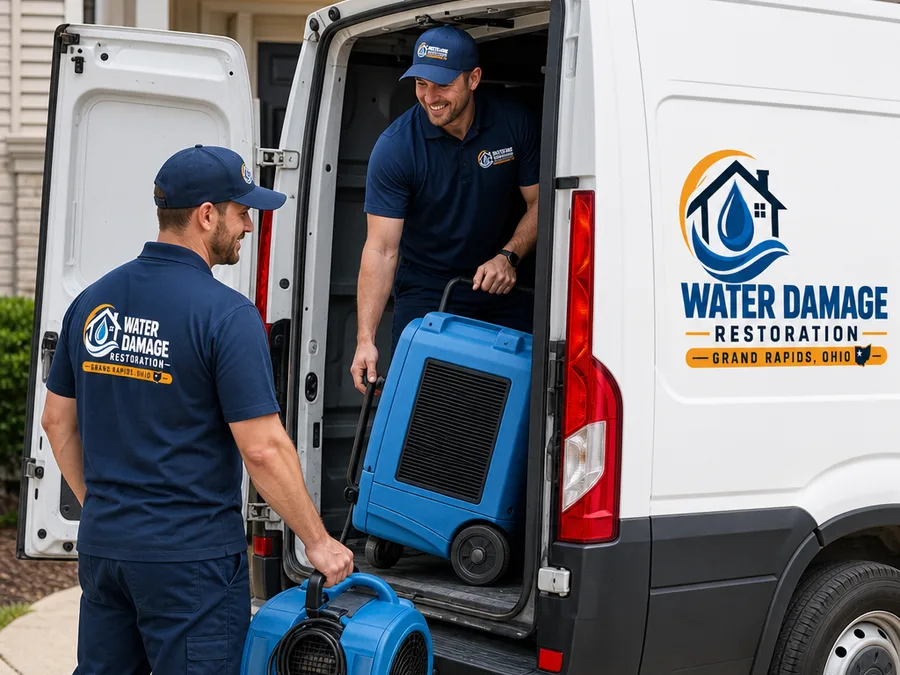
Water Damage Restoration Grand Rapids is a local restoration team serving Grand Rapids, OH. We focus on practical, standards-based water cleanup and drying, with an emphasis on protecting what can be saved and preventing the damage you cannot see from becoming the expensive problem later.
We are set up for the realities of residential losses in this area, including wet basements, sump-related issues, and plumbing failures that soak multiple rooms before they are noticed. You will get direct answers, a clear scope, and a plan that respects your home and your time.
If you are unsure whether you need full restoration or just professional drying and monitoring, we will explain the difference and recommend the least disruptive path that still protects the structure.
Request Emergency ServiceWater damage restoration in Grand Rapids typically ranges from about $1,200 to $6,500+, depending on how much water is present and how far it traveled. A small, contained leak with drying and monitoring is often $1,200 to $2,500, while a multi-room loss with removal of wet drywall, insulation, or flooring commonly lands around $3,000 to $6,500+.
Final pricing depends on affected square footage, material type, category of water, equipment days, access (basements and tight cavities), and what needs to be removed and rebuilt. The exact cost is confirmed after an on-site inspection and moisture readings.
A measured sequence from inspection through verified drying and repair planning.
We identify the source, document affected materials, and take moisture readings so the work plan is based on measurable conditions.
We remove standing water where present and protect floors, paths of travel, and contents as the work area is set up.
We place air movers and dehumidifiers to drive moisture out of materials, then adjust placement based on daily readings.
If materials cannot be dried safely, we remove only what is necessary so the structure can dry properly.
We outline next steps for repairs, share documentation, and confirm drying goals are met before equipment is removed.
If your floors feel spongy, walls are bubbling, or a basement smell showed up after a leak, it is worth getting moisture readings now. Early drying is usually simpler than rebuilding later.
Call for Emergency HelpWe are based in Grand Rapids, OH (43522) and regularly help homeowners in the Maumee River corridor where older basements, seasonal groundwater, and sudden plumbing failures can turn into fast-moving interior damage.
Request Emergency ServiceOur local service area is centered on Grand Rapids and extends to nearby Wood and Lucas County communities.
“We had water under the flooring that we could not see. They explained what the meter readings meant, set the equipment up neatly, and kept us updated until everything was dry.”
“After a pipe leak, they handled extraction and drying quickly and gave us a clear scope for the repairs. The communication was the best part.”
“They found moisture in the wall that we would have missed and removed only what was necessary. It kept the repair smaller than we expected.”
You should start drying and mitigation as soon as the water source is stopped because moisture spreads into padding, subfloors, and wall cavities quickly. Even when surfaces look dry, trapped moisture can remain behind baseboards, under flooring, and inside insulation.
Yes, we handle basement water cleanup, extraction, and structural drying, including moisture checks in corners and along sill plates. Basements often need a drying plan that accounts for cooler temperatures and higher humidity compared to main-floor rooms.
Some materials can be saved if they are dried quickly and monitored with moisture readings, while others need selective removal to prevent trapped moisture. The decision depends on the material type, how long it was wet, and whether water traveled behind it.
Stop the water source if it is safe, shut off power to wet areas if outlets or panels may be involved, and move small valuables out of the affected rooms. If you can, take a few photos of the source and the spread of water for documentation.
Yes, we can provide photos, moisture documentation, and a clear scope of work that supports the claim process. If an adjuster or property manager needs details, we can explain the drying plan and why certain materials were removed or saved.
We confirm drying with repeat moisture readings in the same materials and locations over time. When readings stabilize at appropriate levels for the material and surrounding conditions, we can safely remove equipment and move to repairs.
Tell us what happened and where the water traveled. We will schedule an inspection, take moisture readings, and give you a written scope with the next steps for cleanup, drying, and repairs.