Written scope with real measurements
You should receive a documented plan based on moisture readings and visible conditions, not a guess. A good scope lists what gets removed, what gets dried in place, and what gets rebuilt.
Serving Grand Rapids, Ohio & surrounding areas
When your home or business is hit by water, smoke, or a messy cleanup situation, speed and documentation matter. Get a clear scope, a safe drying plan, and trade-ready repairs from a local team that knows how to manage the full restoration process.
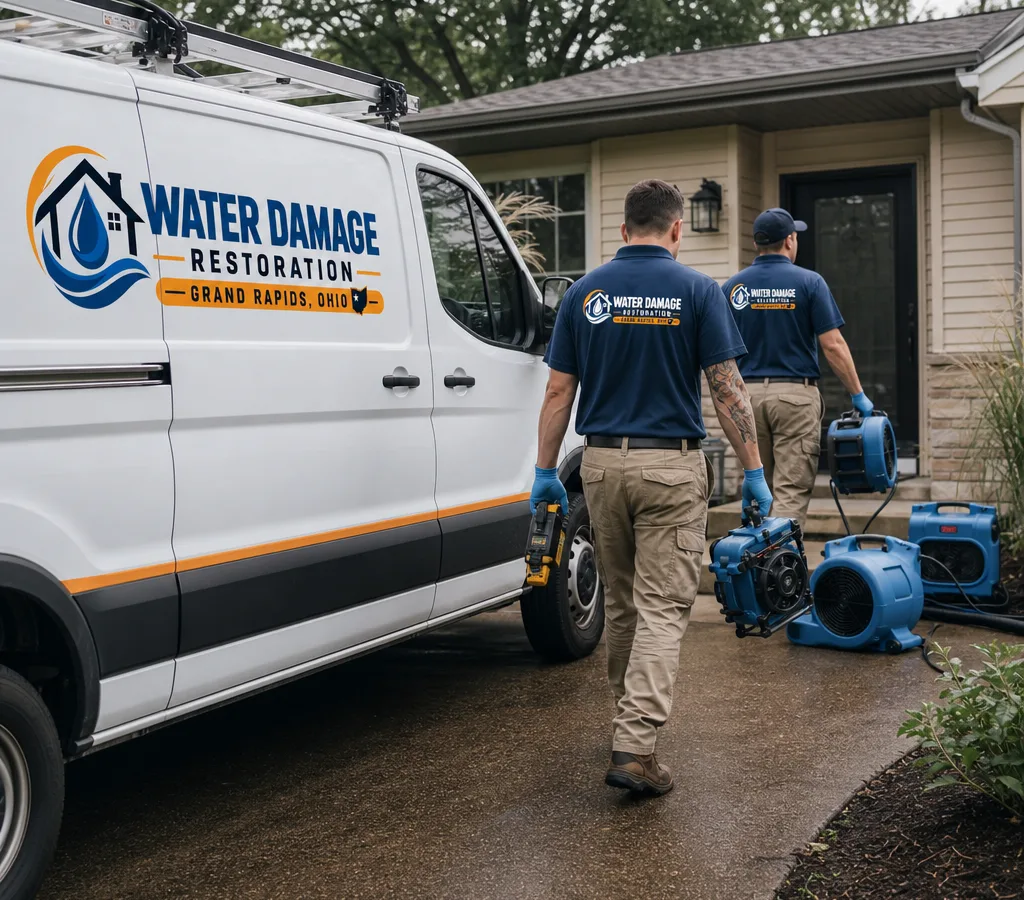
Most searches for restoration companies Grand Rapids are really about one thing: finding a contractor who can take control of a damage event and move it from emergency to finished repairs without losing time.
A restoration company is typically brought in after a loss like a supply line break, storm water intrusion, appliance leak, sewage backup, smoke odor, or other property damage that needs structured cleanup and building drying before repairs can be trusted. The right team does more than remove the obvious mess. They document conditions, prevent secondary damage, and coordinate trades so you are not juggling multiple contractors.
At Water Damage Restoration Grand Rapids, our job is to assess what happened, explain the steps in plain language, and complete work that holds up after the equipment is gone. If you are comparing Water Damage Restoration providers, start by looking for a company that can show you how they will measure moisture, how they will contain affected areas, and how they will confirm materials are dry before reconstruction starts.
You should receive a documented plan based on moisture readings and visible conditions, not a guess. A good scope lists what gets removed, what gets dried in place, and what gets rebuilt.
Look for dust control, negative air when needed, PPE, and clear access rules so unaffected rooms stay livable and the work area stays isolated.
Drying is a process. Air movers and dehumidifiers are only tools; the proof is in follow-up moisture checks and a clear drying target for each material type.
Photos, notes, and daily progress updates reduce delays. If insurance is involved, good documentation helps support what was necessary and why.
Cleanup should leave the site stable for repairs. That means odor control where applicable, debris removed, and materials left dry enough for finishes like paint, trim, and flooring.
Restoration work is always part construction and part logistics, and local conditions affect both.
In Grand Rapids (ZIP 43522) and the nearby river corridor, water events can turn into hidden moisture problems fast because water travels along framing cavities and under floors. Even when the surface looks dry, subflooring, base plates, and insulation can stay wet and feed odors or microbial growth. That is why a restoration plan should include targeted moisture mapping and checks behind baseboards or in adjoining rooms.
Older homes in the area can have layered renovations, mixed materials, and closed-in chases that make drying less straightforward. Newer builds can dry faster, but they often have tighter envelopes that hold humidity longer if equipment is undersized.
If you manage property near the Maumee River, the best restoration companies will also think about access, staging equipment without blocking egress, and protecting finished areas during tear-out and hauling.
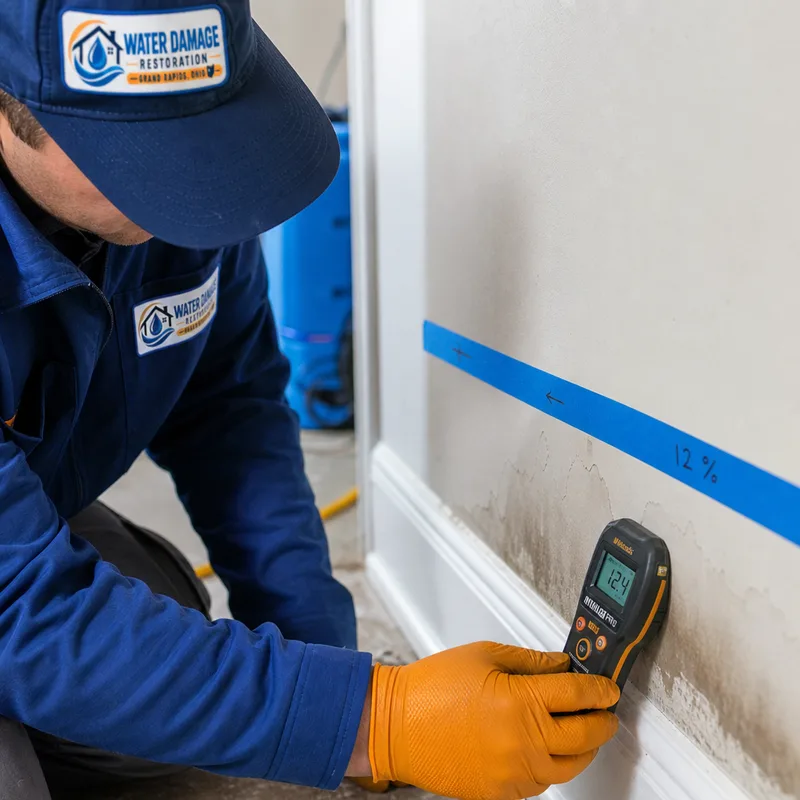
A coordinated sequence moves the property from initial assessment through stabilization, verified drying, cleaning, and repairs.
We identify the source and category of loss, check for safety issues, and map affected materials with meters and visual inspection. You get a plain-language explanation of what is wet or damaged and what that means for the next steps.
Stopping the spread comes first: extracting standing water when present, setting containment, and protecting floors and contents. The goal is to prevent secondary damage while the longer drying plan is set.
Some materials dry poorly or trap contamination. When removal is required, we remove only what is needed to create access and restore a safe, repairable structure.
Equipment is sized to the space and conditions. We monitor progress with moisture readings and adjust placement or capacity as needed until targets are met.
Cleaning is matched to the type of loss. We document what was done and what readings confirm the structure is ready for rebuild work.
Once the structure is dry and stable, repairs can move forward: drywall, trim, flooring transitions, paint, and other finishes. A single coordinated plan helps keep timelines realistic.
Most restoration projects in Grand Rapids typically range from about $900 to $6,500+, depending on how much material is affected and whether demolition and rebuild are needed. A small, contained cleanup with limited drying is often on the low end, while multi-room water or smoke damage with removal, specialty cleaning, and repairs trends higher.
Final price depends on the moisture spread, category of water, access (crawlspaces, finished basements), what can be dried in place versus removed, and how much finishing work is required. The exact scope and cost are confirmed after an on-site inspection and moisture mapping.
“They explained what was actually wet and why, then showed the meter readings as things dried. That made it a lot easier to make decisions and keep the project moving.”
“What I appreciated was the documentation and the cleanup. The work area stayed contained and the house was left in good shape for the repair phase.”
You should try to get a qualified restoration company involved the same day, because the first 24 to 48 hours is when moisture spreads into porous materials and odors and microbial risk increase. Even if you have already stopped the source, a prompt inspection and moisture map in Grand Rapids, OH helps prevent hidden wet areas from turning into a larger tear-out later.
Shut off the water source if it is safe, turn off power to affected areas if there is standing water, and move small valuables out of the wet zone if you can do so without risk. Avoid running household fans into wall cavities or blasting heat, because uncontrolled airflow can push moisture deeper; professional drying relies on measured humidity control and verified moisture checks.
Many restoration companies can manage both the mitigation phase (cleanup and drying) and the rebuild, but you should confirm what is included in writing. The key is continuity: drying must be verified before any drywall, flooring, or trim is replaced, or you risk trapping moisture behind finished surfaces.
Compare the scope line-by-line and look for the technical steps that protect the structure: moisture mapping, containment, extraction (when needed), dehumidification, monitoring visits, and disposal. If one estimate is much lower, ask whether it assumes materials will dry in place without verification or skips containment that keeps dust and contaminants from spreading.
Yes, as long as documentation is built into the process. Photos, moisture readings, and a clear description of what was damaged and what was removed help support the claim while the work proceeds, and it keeps both homeowners and adjusters aligned on what is happening at the property.
A straightforward drying job often takes several days, while projects that require demolition and repairs can take longer depending on material availability and the extent of finishing work. The timeline depends most on how far moisture traveled (including under flooring and into wall cavities) and whether affected materials can be dried in place safely.
If you are deciding between restoration companies in Grand Rapids, start with an on-site inspection that includes moisture mapping, a written scope, and a clear plan for cleanup, drying, and repairs.
Request Emergency ServiceTell us what happened and what you are seeing on-site. We will outline next steps, what needs to happen first to prevent further damage, and what a realistic scope looks like before any work begins.