Emergency stabilization
Site safety checks, hazard awareness—including sharp debris, compromised drywall, and damaged wiring—and temporary measures to protect exposed areas from further damage.
Serving Grand Rapids, Ohio & surrounding areas
Fast, careful restoration after a fire, with clear next steps, documented work, and a home that is safe to re-enter and rebuild.
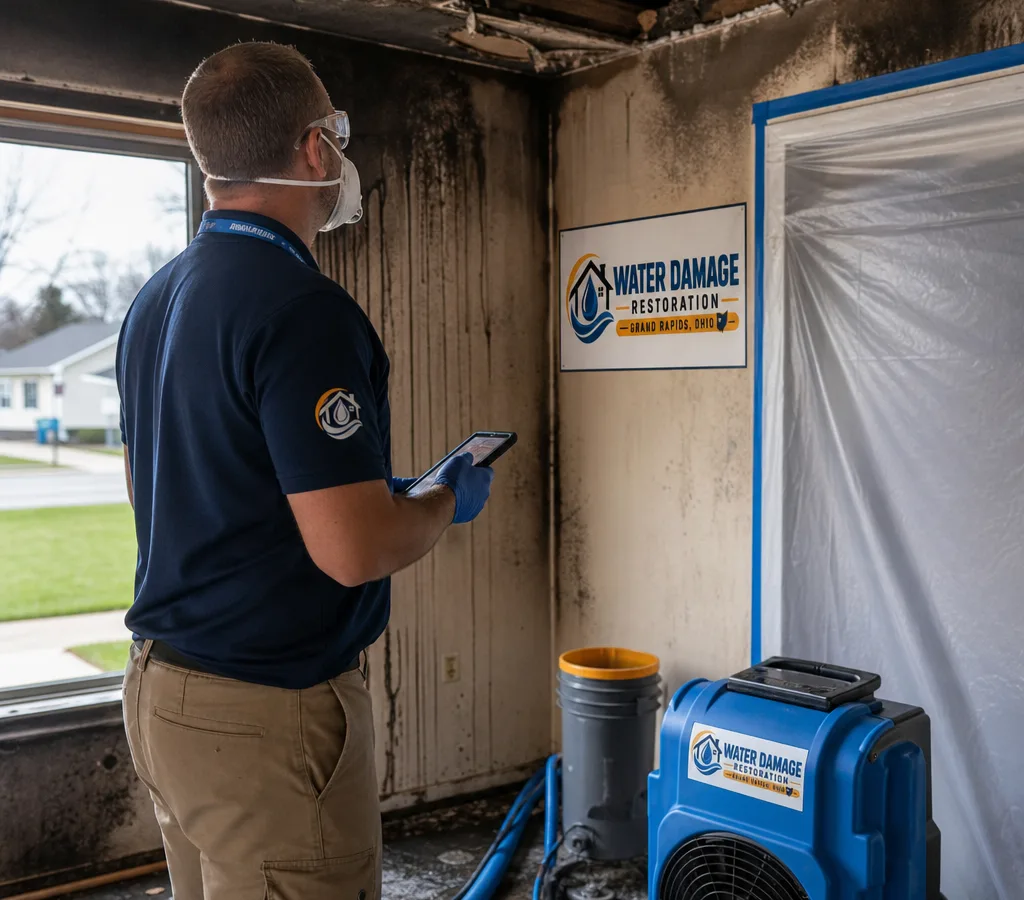
If you are searching for fire damage restoration Grand Rapids, you likely need two things right away: the space stabilized so it does not get worse, and a clear path back to normal. Our team at Water Damage Restoration Grand Rapids handles the full restoration process after a residential or light commercial fire, including soot and smoke residue removal, odor control, selective demolition, and rebuild coordination.
Fires leave more than charred materials behind. Smoke spreads through openings, HVAC returns, and wall cavities. Soot can be oily, acidic, and abrasive, and it keeps damaging surfaces until it is properly removed. Water used to put the fire out can also soak drywall, framing, insulation, and flooring, which raises the risk of corrosion and microbial growth if drying is delayed. The right approach is a structured restoration plan, not just a surface wipe-down.
We work throughout Grand Rapids, OH 43522 and nearby areas, and we focus on getting you a written scope, realistic sequencing, and clean documentation so you can make decisions quickly and keep your claim moving if insurance is involved. For other urgent property recovery needs, many clients also keep our Water Damage Restoration team on standby for fast stabilization when water is part of the loss.
Site safety checks, hazard awareness—including sharp debris, compromised drywall, and damaged wiring—and temporary measures to protect exposed areas from further damage.
Dry and wet cleaning methods matched to the soot type and surface, plus detailed cleaning of trim, framing, masonry, and contents as appropriate.
Deodorization steps based on where odor is trapped, including porous materials, cavities, and HVAC pathways. Treatments address the source rather than masking the smell.
Removal of unsalvageable drywall, insulation, cabinets, flooring, and charred materials, with containment that reduces cross-contamination to unaffected rooms.
Moisture mapping and drying after suppression efforts or sprinkler discharge, so rebuild materials go back into a stable environment.
A practical path from cleanup to reconstruction, including what can be cleaned, what must be replaced, and what requires specialty trades.
Smoke damage behaves differently than ordinary dirt. Depending on what burned, residue can be dry and powdery, sticky and oily, or heavy with protein-based particles that smear easily. Each type calls for different chemistry and technique. Using the wrong process can set stains, spread soot into pores, or damage finishes.
We start by identifying affected areas and the likely residue type, then choose a cleaning method that fits the material: painted drywall, bare wood framing, brick, metal, plastics, and textiles all respond differently. Where residue has traveled into wall cavities or insulation, we plan access points or removal so hidden contamination is not left behind.
Odor is treated the same way: we locate where it lives. Soft goods, insulation, unfinished wood, and HVAC components can hold smoke. Deodorization works best after proper removal of residue, with targeted treatments for cavities and air pathways when needed.
If you are unsure whether items are salvageable, we can walk through priorities—safety, sentiment, and value—and recommend what to clean on-site versus what should be handled off-site by a specialty contents team.
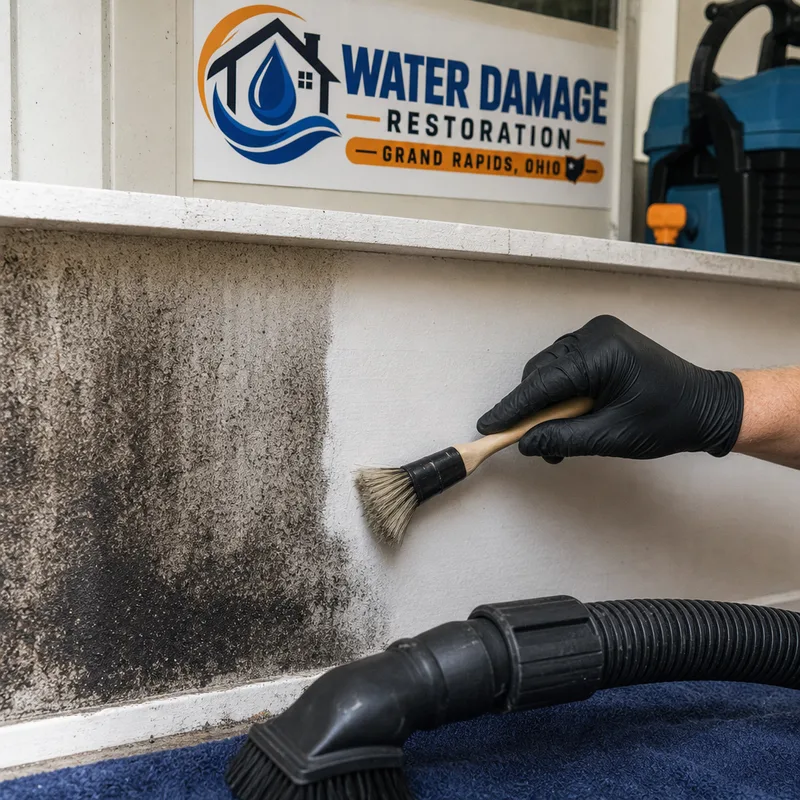
A controlled sequence from safety assessment and containment through residue removal, drying, deodorization, and repair planning.
We document affected rooms, identify immediate hazards, and discuss access rules. If there is heavy smoke migration or a strong odor profile, we plan containment early to protect unaffected areas.
We isolate work zones with plastic sheeting and negative air when appropriate, protect floors and pathways, and stage debris removal so soot is not tracked throughout the structure.
Charred and unsalvageable materials are removed first. We then clean soot and smoke residue from structural surfaces and remaining finishes using methods matched to the residue and substrate.
If the property was wetted during suppression, we perform moisture checks and set drying and dehumidification so the building is stable before repairs begin.
Deodorization follows residue removal, with targeted treatment for porous surfaces, cavities, and air movement systems when needed. We confirm which areas are ready for rebuild.
We provide a clear repair scope: what gets replaced, what stays, and what preparation is needed for paint, flooring, trim, or cabinetry. Documentation is organized to support insurance review.
Fire damage restoration in Grand Rapids typically ranges from about $3,000 to $15,000 for moderate, contained losses, while larger fires with heavy smoke migration, demolition, and rebuild can run $20,000 to $75,000+ depending on the structure and finishes. Small smoke-only cleanups for a single room may be closer to $800 to $2,500 when there is minimal demolition.
Final cost depends on how far smoke traveled, including through HVAC systems and cavities; what materials must be removed; the soot type; contents-cleaning needs; drying requirements after suppression water; and how much repair work is involved. The exact scope and price are confirmed after an on-site inspection and documentation.
“After a small electrical fire, the smoke smell was everywhere even though the flames stayed in one room. They explained what could be cleaned versus what had to come out, kept the work area contained, and the house finally smelled normal again.”
“What helped most was the documentation. The scope was clear, the photos were organized, and we understood the order of work before anything got torn out.”
Fire damage restoration should start as soon as the property is safe to access because soot and smoke residue continue to corrode metals, stain finishes, and absorb into porous materials. In Grand Rapids, quick stabilization also matters when weather or humidity can affect exposed building materials and wet areas from suppression efforts.
In most cases, smoke odor can be removed when the source is fully addressed, not just treated in the air. That means cleaning or removing contaminated porous materials such as insulation or smoke-impacted textiles, cleaning residues from framing and surfaces, and applying targeted deodorization where odor is trapped, including cavities or HVAC pathways when needed.
Sometimes, especially when there is heavy soot, strong odor, or demolition that affects kitchens, bathrooms, or main living areas. If damage is limited and containment can isolate the work zone, some occupants choose to stay, but we will talk through air quality, safety, and daily access before work begins.
Non-porous items like many metals, glass, and some hard plastics often clean up well, while porous items like unfinished wood, paper goods, upholstery, and mattresses can be harder to fully restore depending on smoke exposure. We help prioritize what matters most to you, then recommend practical salvage versus replacement based on contamination level and cleaning feasibility.
Yes. We can provide photos, moisture readings when water is involved, and a written scope that separates cleaning, demolition, and repair steps. Insurance coverage varies by policy and cause of loss, but clear documentation typically helps speed up decisions and reduce back-and-forth on what was necessary.
It can be. Soot is abrasive and can contain irritants, and improper cleaning can spread contamination into clean rooms or drive residue deeper into surfaces. If you are doing any immediate cleanup, avoid dry sweeping soot, limit disturbance of contaminated materials, and prioritize ventilation and personal protective equipment until a proper restoration plan is in place.
Tell us what happened, what areas are affected, and whether water was used to put the fire out. We will assess the damage, outline the next steps, and provide a written scope you can use to plan repairs and move forward.